

Staged Photography Policy
Other’s Enjoyment Leave flowers, plants and all other elements in the garden beds for everyone to enjoy. Do not collect or remove seeds, flowers, fruits, vegetables, plant labels, rocks, etc. Please stay on designated pathways and mowed grass lawns; do not enter the mulched or planted garden beds. While we hope you will be inspired to garden at home—please d
Membership Benefits
Become a Member SUPPORT & VOLUNTEER The best way to enjoy the Houston Botanic Garden is to become a member. Treat yourself or a loved one to the gift of a membership and start enjoying these member benefits for a year. As of August 2023, the Garden participates in the American Horticultural Society’s Reciprocal Admissions Program, which offers free admission and/or additional benefits at 345 gardens throughout North America and the…
Conservation Project Updates
The recent rediscovery of the long-assumed extinct Quercus tardifolia in Big Bend National Park by a team of botanists and horticulturists serves to highlight the importance of plant conservation at botanical gardens and arboreta. As a part of Houston Botanic Garden’s mission to enrich life through discovery, education, and the conservation of plants and the natural environment, the Horticulture department has a nascent conservation program.
Anna White
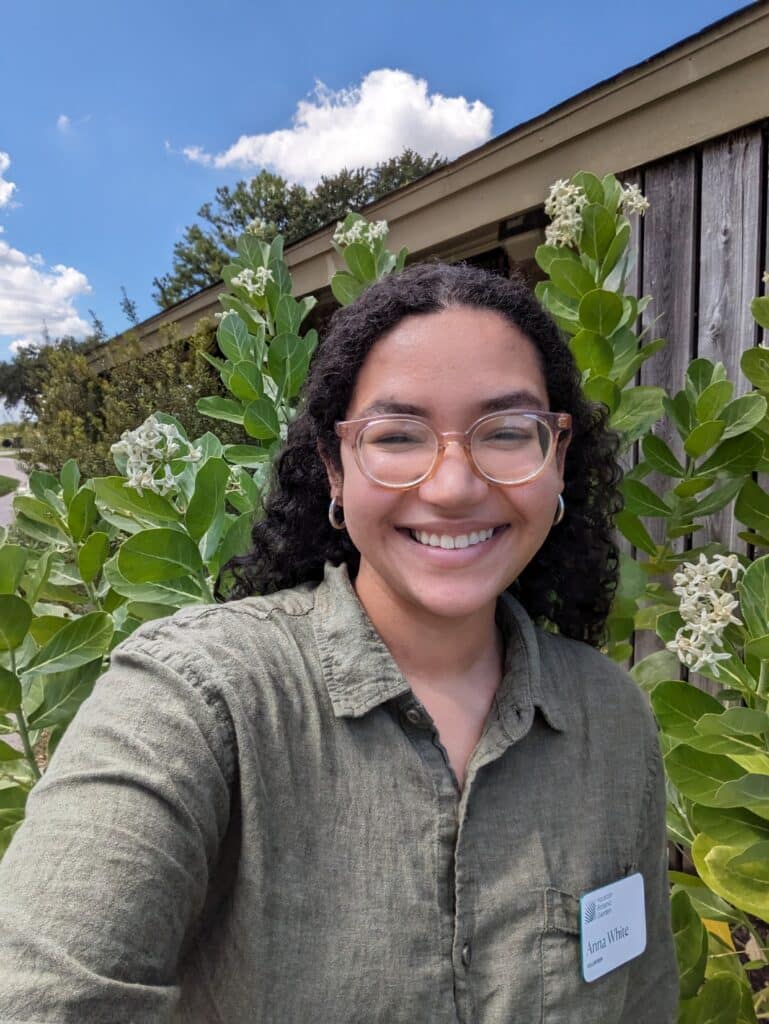
Anne White Plant Records volunteer assists Garden in documenting its present with an eye to the future. Volunteers donate thousands of hours to the Garden each year.
Volunteer Profile
Volunteer SUPPORT & VOLUNTEER Volunteers are vital members of our team who share their time and talents to help us achieve our goals. Get your hands dirty outside with our horticulture team, scan tickets and greet visitors at the gate to help our visitor services staff, or assist with administrative tasks in our office — the possibilities are numerous. Complete our online form to learn more about volunteer opportunities and be…
Suzanne Simpson
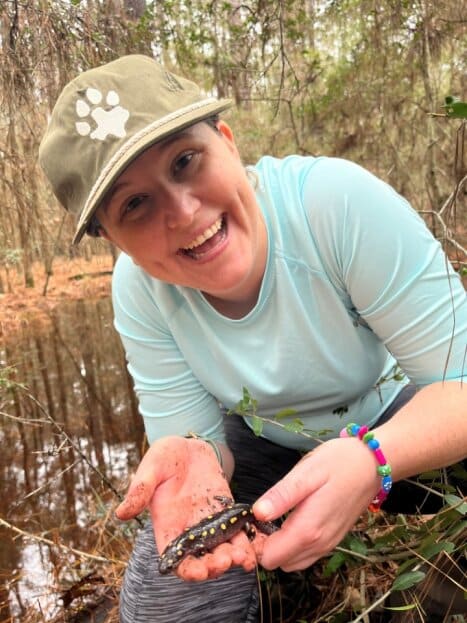
Meet The Author Suzanne Simpson New book encourages you to take walk on Houston’s wild side Suzanne Simpson is a Houston-based ecologist working to protect the natural landscapes that define Texas. She maintains certification as a professional ecologist from the Ecological Society of America and is a trained Texas Master Naturalist.
Meet The Author
Meet The Author
Wildlife at the Garden
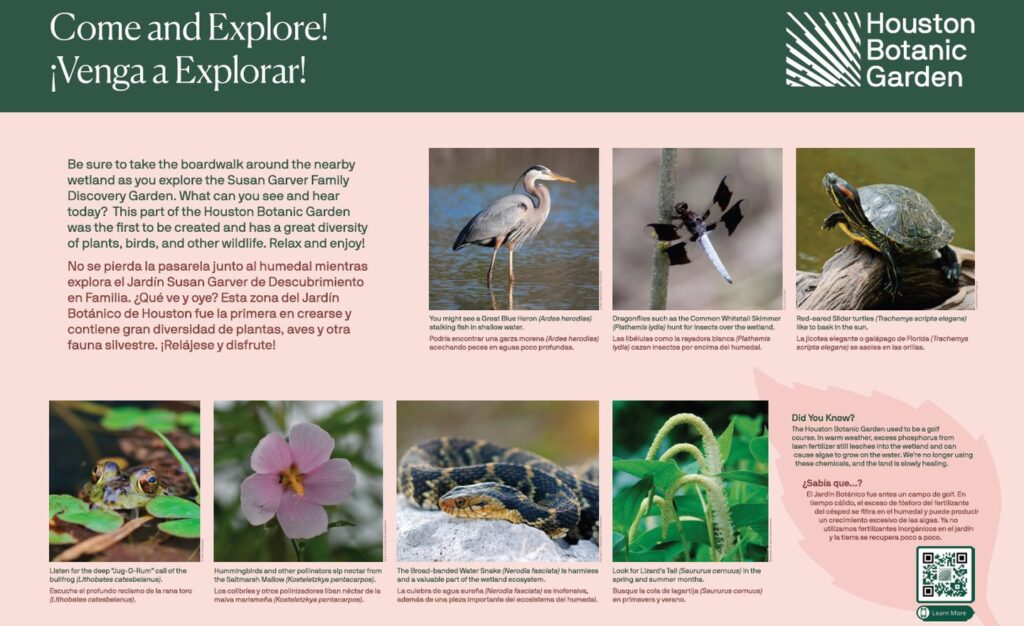
Nature’s Medicine Cabinet BENEFICIAL QUALITIES OF PLANTS Healing Yarrow Achillea milefolium, commonly known as Yarrow, has been used for millennia as a powerful medicinal plant around the world. Yarrow was found in the teeth of Neanderthal skulls in Spain dated to 60,000 years ago. Legend tells that Achilles, the great warrior in the battle of Troy, used yarrow to clean his wounds and stop the bleeding. There are around 130…
Nature’s Medicine Cabinet
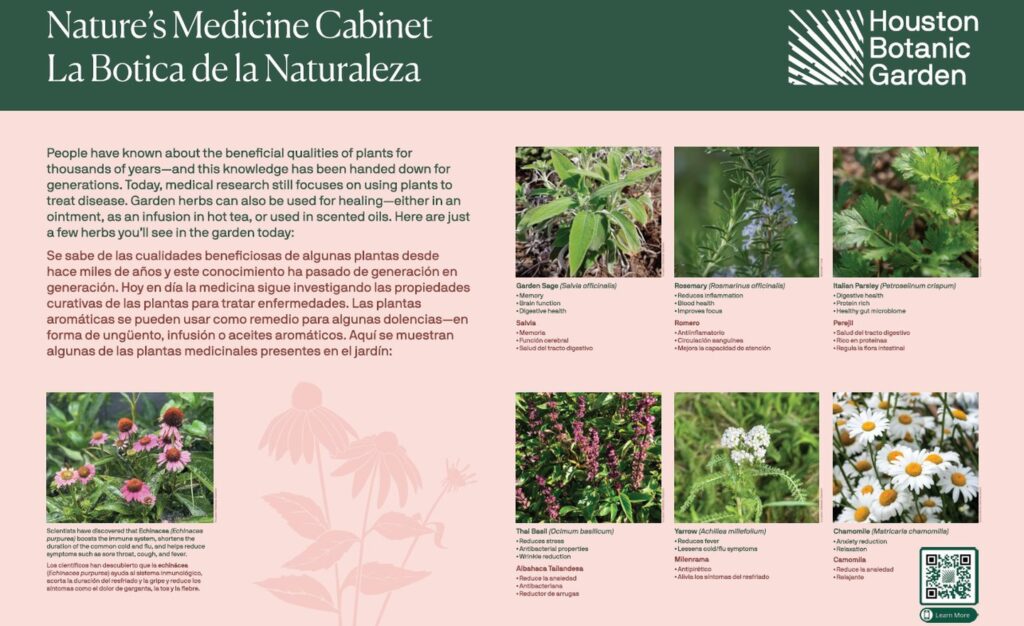
Nature’s Medicine Cabinet BENEFICIAL QUALITIES OF PLANTS Healing Yarrow Achillea milefolium, commonly known as Yarrow, has been used for millennia as a powerful medicinal plant around the world. Yarrow was found in the teeth of Neanderthal skulls in Spain dated to 60,000 years ago. Legend tells that Achilles, the great warrior in the battle of Troy, used yarrow to clean his wounds and stop the bleeding. There are around 130…
Native Texas Foods
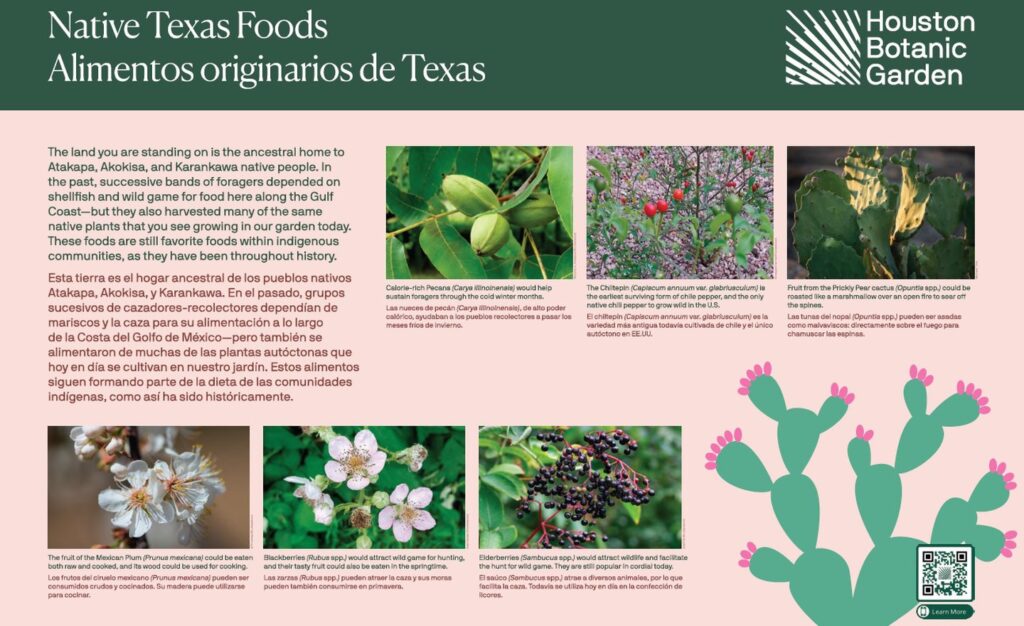
Native Texas Foods FAVORITES THROUGHOUT HISTORY Pecan Care Many of us have seen majestic and productive pecan trees in neighborhoods near us. Seeing these lovely trees thriving can be quite the motivator to try growing pecans at home. While the idea of growing pecans can be quite attractive, unfortunately, the effort to grow them can make the reality less pleasant. Pecans are messy; they attract pests, most notably squirrels and bag…